

undefined
Applications and Solutions for Anti-Slip Glass
Anti-slip glass is produced by applying processes such as acid etching, ceramic sintering, micro‑texturing, and anti‑slip coatings to a tempered or laminated glass substrate, creating a durable, wear‑resistant surface texture or anti‑slip layer. This significantly enhances the dry and wet friction coefficients, reducing the risk of slipping, while delivering superior safety performance. It balances safety, transparency, abrasion resistance, and easy cleaning, and can be combined with insulating glass, LOW‑E coatings, and other technologies to meet diverse anti‑slip requirements across multiple applications.
Scene 1: Indoor Dry Areas (Residential/Office/Showroom Floors, Stair Treads)
Scene 2: Indoor Wet Areas (Bathroom/Kitchen/Pool Changing Room, Shower Room Flooring)
Scene 3: Public Buildings/Commercial Spaces (Malls, Stations, Hospital Corridors, Elevator Cabins, Stage Floors)
Scene 4: Outdoor/Scenic Areas (Balcony/Terrace/Rooftop Garden, Scenic Trail/Viewing Platform, Ramp)
Applications and Solutions for Stained Glass
Inlaid glass is a specialized, deeply processed type of glass that combines decorative appeal with safety. It uses tempered or annealed glass as its base and incorporates inlay materials—such as metal wires, colored glass fragments, natural stones, shells, and metal foils—through high‑temperature melting, adhesive bonding, or laminated encapsulation processes, securely integrating them with the base glass. Its key advantages include an attractive appearance, diverse styles, and strong customization options, while also providing basic safety protection. It meets the relevant standards for architectural decorative glass and can be flexibly tailored to specific dimensions and designs based on Haibote Glass’s production capabilities.
Scene One: High-End Interior Design (Hotels/Clubs/Villas/Mansions)
Scene 2: Commercial Space Decoration (Malls/Showrooms/Brand Stores)
Scene 3: Residential and Public Buildings (Doors and Windows / Partitions / Guardrails)

Scene One: High-End Interior Design (Hotels/Clubs/Villas/Mansions)
Scene 2: Commercial Space Decoration (Malls/Showrooms/Brand Stores)
Scene 3: Residential and Public Buildings (Doors and Windows / Partitions / Guardrails)
Application Scenarios and Solutions for Hollow LOW-E Glass
Insulated LOW‑E glass = tempered glass + LOW‑E coating + insulated aluminum spacer + desiccant + sealant
Core functions: reflects far-infrared radiation, blocks heat transfer, reduces air-conditioning energy consumption, and enhances comfort.
Suitable for architectural curtain walls, windows and doors, skylights, office buildings, residential buildings, hotels, industrial plants, and more, while delivering energy efficiency, thermal insulation, soundproofing, and condensation prevention.
Applicable scenarios: balcony sliding doors, casement windows, floor-to-ceiling windows, sunrooms, stick‑system curtain walls, stick‑system curtain walls with exposed frames, semi‑stick‑system curtain walls, and exterior windows in guest rooms.
Corridor windows, lobby partitions, skylights, canopy over walkways, rooftop gardens, large‑size industrial sliding windows, overhead doors, and workshop partitions.
Commercial Applications and Solutions for Jade Glass
With its jade-like texture, semi‑translucent light effects, safety and durability, and easy maintenance, jade glass is the preferred material for high‑end architecture and interior design. Available colors include: Pearl White, Ice Jade, Snowflake, Crystal Clear, Emerald Green, Cocoa Brown, Vibrant Fantasy, Sky Gray, Shimmering Illusion, Blue‑and‑White Porcelain, Quality Living, and Misty Water, among others. Application scenarios: Commercial complexes, luxury hotels, office buildings, and exhibition halls—used for full‑height curtain walls or translucent curtain walls; architectural column cladding, canopies, skylights, and podium‑level decoration; illuminated nighttime facades (with built‑in LED strips); lobby feature walls, entryway partitions, artistic screens, and illuminated column surfaces; elevator door surrounds, corridor wall panels, stair railings and treads; villa living room feature walls, bathroom partitions, and bar counters; brand identity walls, storefront signage, display case backdrops, and jewelry counters; restaurant bars, table and coffee table tops, and cashier stations; mall wayfinding signs and art installations; hotel and club art sculptures, illuminated ceilings, and branded installations; sales office landscape walls and water‑feature translucent panels; museum and art gallery visual partitions and wayfinding systems.

In construction engineering, glass is widely used in exterior wall curtain walls, windows, and partitions. However, due to various reasons, building glass often has some quality problems, such as thermal stress cracking, refractive discoloration, and safety hazards. These issues not only affect the aesthetics and safety of buildings, but also bring economic losses and legal disputes to owners and construction parties. To address these issues, we need to adopt a series of solutions.
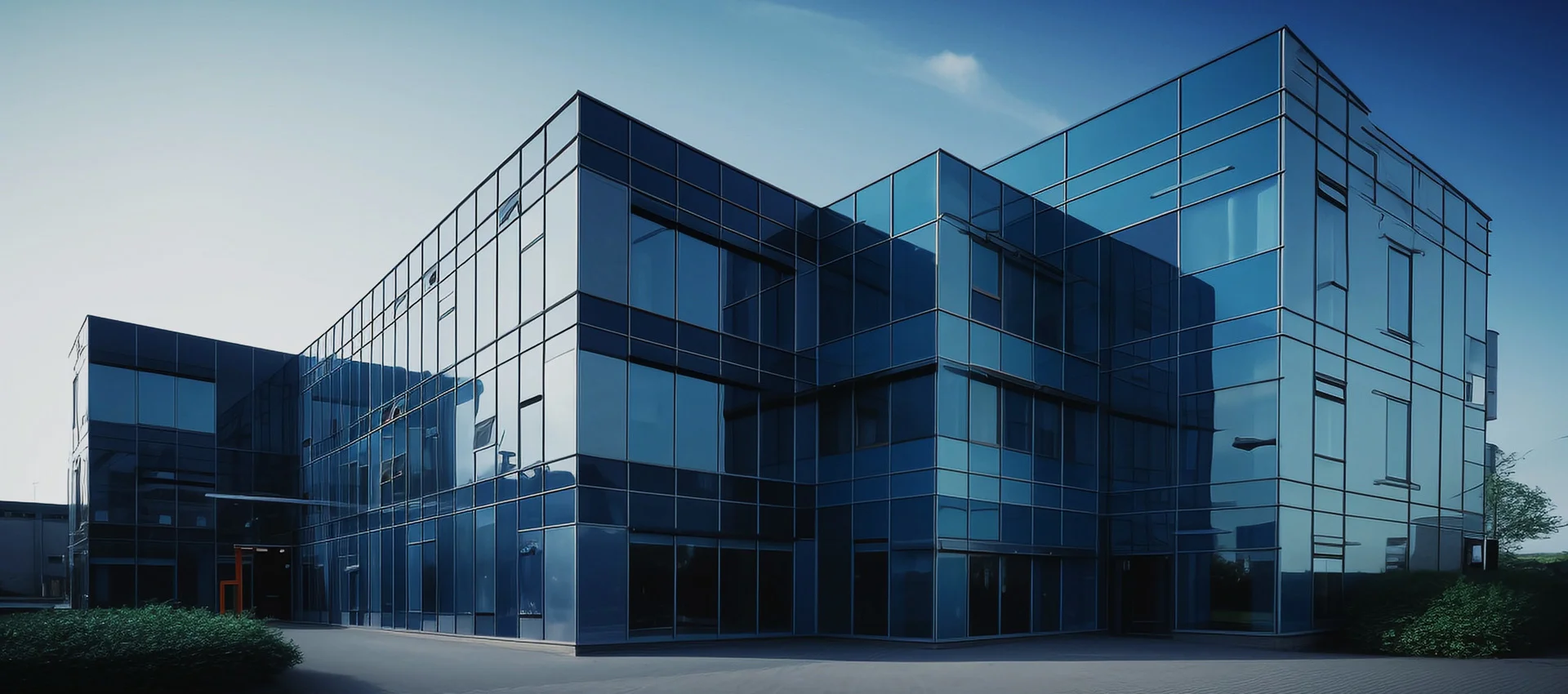
With the continuous development of urban economy, we have seen transparent LED glass screens in more and more shopping districts, which are of great significance for brand promotion and product promotion. Many shopping center owners and designers are not very familiar with transparent LED glass screens. How can transparent LED glass screens be designed into the display system of shopping districts? Next, Yiping Optoelectronics will summarize the installation and application requirements for transparent LED glass screens in shopping districts.
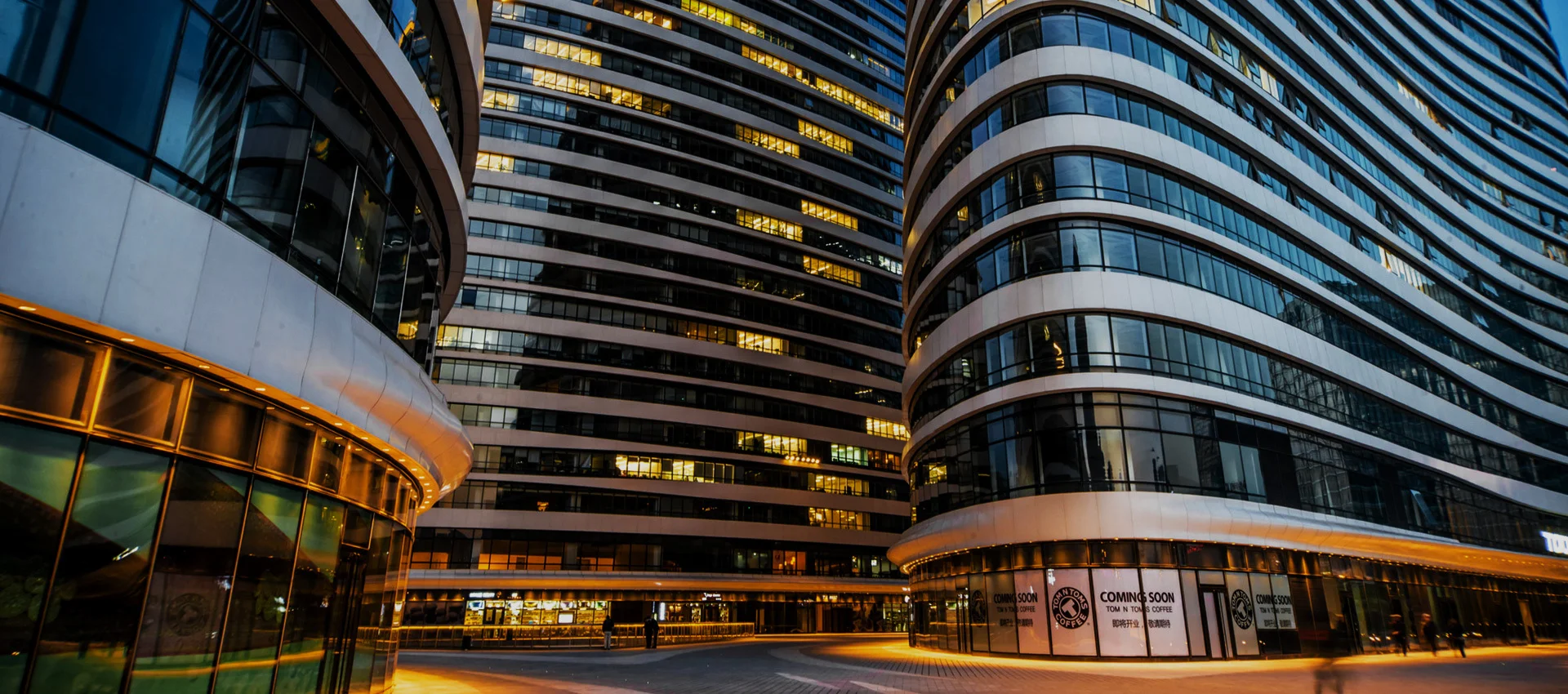
In glass countryside or gardens, designers can use semi transparent or colored glass to create soft lighting and a unique atmosphere. Glass can also be used to create water landscapes. By combining transparent glass and water.
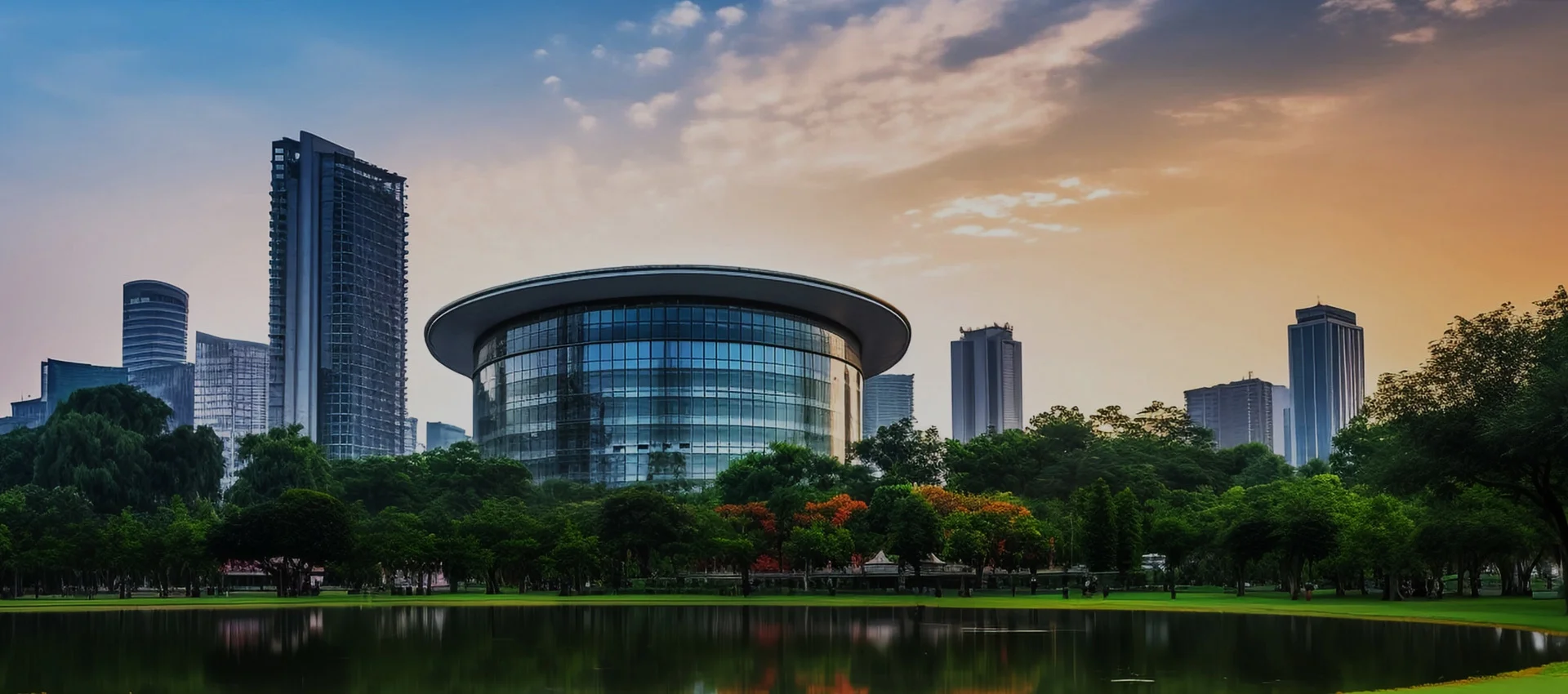
General military/bulletproof glass is a composite material obtained by special processing of glass (or organic glass) and high-quality engineering plastics. It is usually a transparent material, usually including a layer of polycarbonate fibers sandwiched between ordinary glass layers.






Fill in your requirements
China Guangdong Haibo Special Glass Technology Co., Ltd. Unified Social Credit Code: 91440101MA5AT33G12 Contact Numbers: General Manager Cao, 13178822749; General Manager Wei, 13533794186.