

language


Craft Glass

Church Glass Application Scenarios and Parametric Solutions
Project Manager: Manager Wei, 13533794186 International Sales: Manager Cao, 13178822749

High-temperature colored glaze glass (can be tempered off-site)
Remote‑site tempered high‑temperature colored glaze glass (hereinafter referred to as “remote‑site colored glaze tempered glass”) is produced by first sintering an inorganic glaze onto the glass surface at high temperatures (above 650°C), achieving permanent fusion between the glaze layer and the glass, and then processing it into a specialized decorative glass that can be cut on site and subsequently tempered.

Inlaid glass is a specialized, deeply processed type of glass that combines decorative appeal with safety. It uses tempered or annealed glass as its base and incorporates inlay materials—such as metal wires, colored glass fragments, natural stones, shells, and metal foils—through high‑temperature melting, adhesive bonding, or laminated encapsulation processes, securely integrating them with the substrate. Its key advantages include an attractive appearance, diverse styles, and strong customization options, while also providing basic safety protection. It meets relevant standards for architectural decorative glass and can be flexibly tailored to specific dimensions and designs in line with Haibote Glass’s production capabilities.
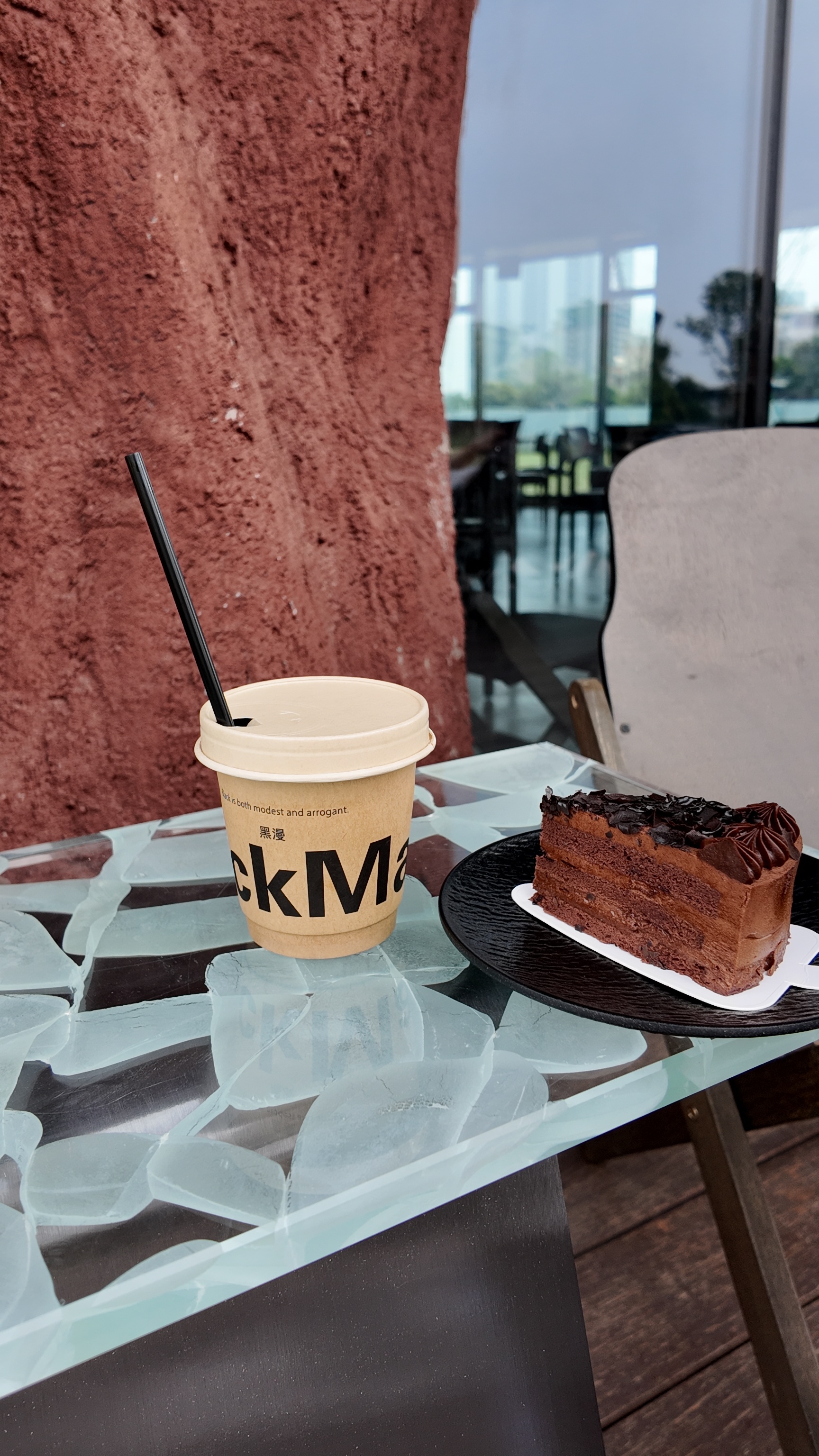

✨【Flowing Light and Colorful Jade Glass】—— A perfect fusion of natural aesthetics and modern craftsmanship✨
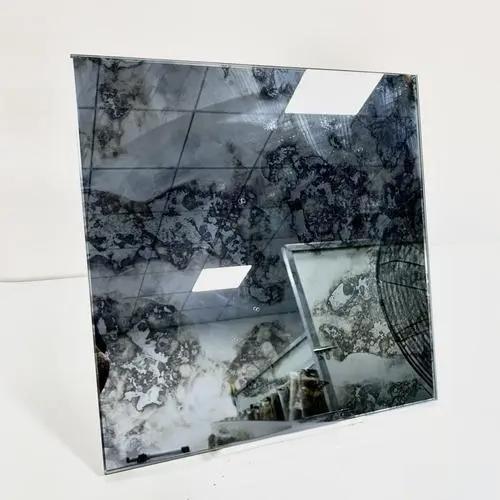
Antique-style mirror glass is a special type of mirror prized for its decorative appeal and collectible value. Its production involves multiple工序, including grinding and polishing. The frame is typically crafted through engraving, resulting in sharply defined, three-dimensional lines, while the material exhibits excellent resistance to high temperatures, corrosion, and abrasion. Moreover, these antique mirrors are free of distortion, deliver crisp reflections, and offer superior brightness, making them ideal for upscale settings such as guesthouses and hotels.
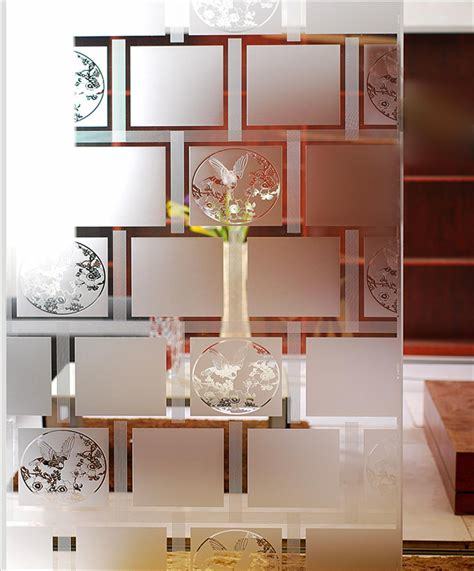
Etched glass is a process that uses acidic substances to treat the glass surface, commonly employed in the production of decorative items, glassware, and works of art. The basic procedure includes: selecting high-quality glass, applying a protective film, cleaning, pre‑treatment, frosting, polishing, removing the film, cutting, rinsing, quality inspection, and packaging. Specifically, a layer of paraffin wax is applied to the glass as a protective coating; after the wax has cured, patterns are etched into it, and then hydrofluoric acid is used to corrode the glass, thereby creating the desired design.
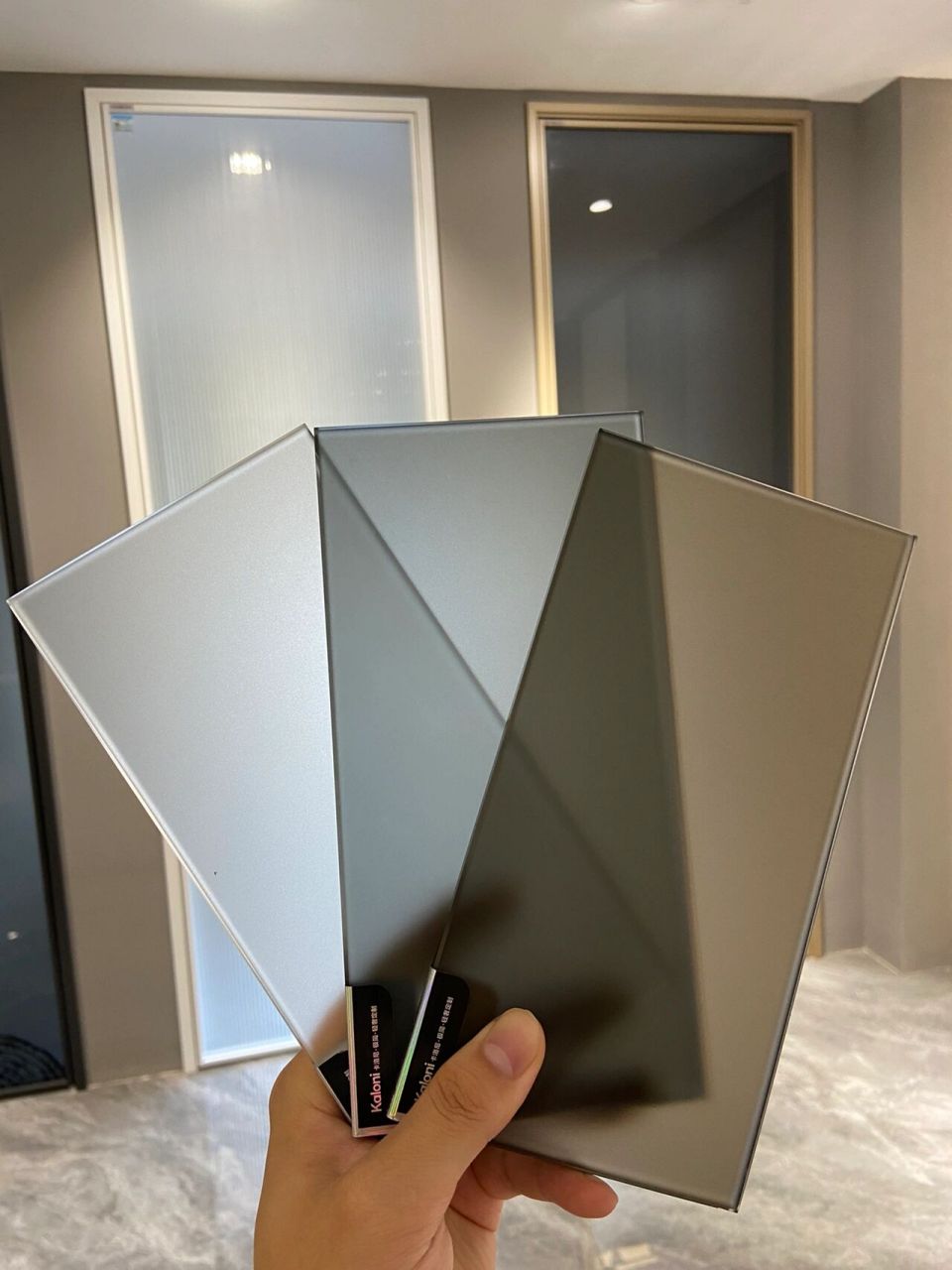
Oil‑sand glass is a specially treated type of glass with a frosted surface that allows light to pass through while remaining opaque, subtly blurring the view behind it and creating a hazy, ethereal aesthetic. It is commonly used in bathrooms, partition walls, and office desk tops. Additionally, oil‑sand glass finds applications in upscale entertainment venues such as hotels, bars, karaoke lounges, and cafés.

Customization: can be customized by the customer's favorite stripes, line patterns and other patterns.





Fill in your requirements
Copyright © 2024 China Guangdong Haibo Safety glass Technology Co., Ltd